by Francine Shapiro · 2012
EMDR explained by its founder, for general readers.
Best for: Anyone curious about EMDR before — or during — treatment.
Ad / Affiliate link: We may earn a small commission at no extra cost to you. Our full reading list.
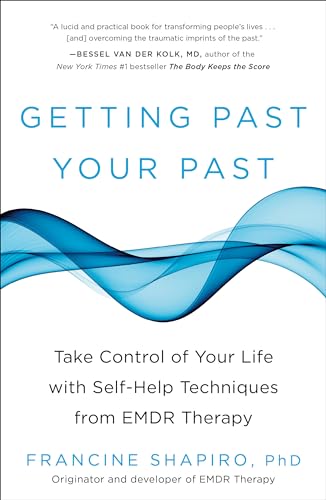
Francine Shapiro is the psychologist who developed EMDR in the late 1980s, and this is her book for clients. It explains the model our psychologists (Dr Ganda and Sushama Sathe) use clinically, without requiring you to wade through clinical literature.
She covers what EMDR actually is (not "tapping" — that's something different), why bilateral stimulation seems to help the brain process stuck memories, and what to expect across the eight phases of treatment. There are also self-help exercises drawn from EMDR principles, which can be useful between sessions if you're already in treatment.
We often suggest this book to clients who are considering EMDR but want to understand it before committing. It's also useful if you've started EMDR and want to understand why your therapist is doing what they're doing.
A note. This is reading material, not clinical treatment. If you’re working through something difficult, books complement therapy — they don’t replace it. Book a session with our team for personalised support.
More books in trauma, emdr & ptsd.
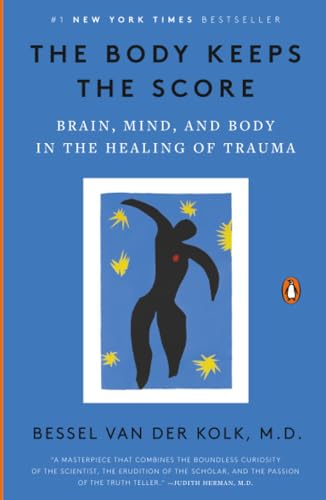
Bessel van der Kolk
The most-recommended book on trauma in modern psychology.
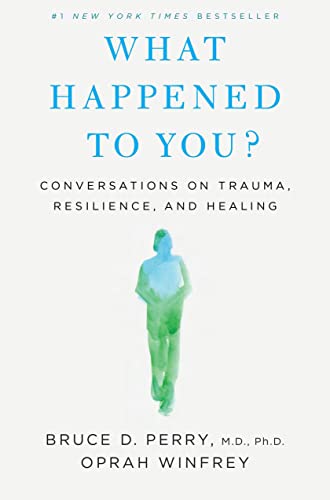
Bruce Perry & Oprah Winfrey
Reframes trauma through "what happened to you?" rather than "what's wrong with you?"
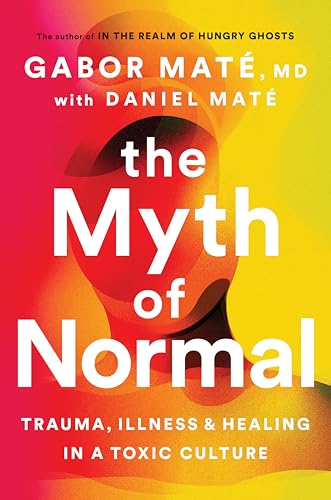
Gabor Maté
Gabor Maté on how Western culture itself shapes trauma, addiction, and chronic illness.
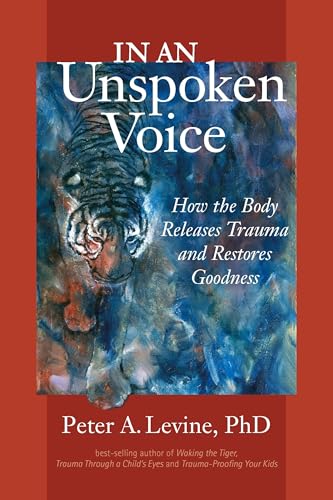
Peter A. Levine
Introduces Somatic Experiencing and the biology of trauma responses; accessible and widely recommended in EMDR and SE circles.
Peter A. Levine
A deeper dive into the neuroscience underpinning Somatic Experiencing — ideal for clients ready to go beyond the basics.
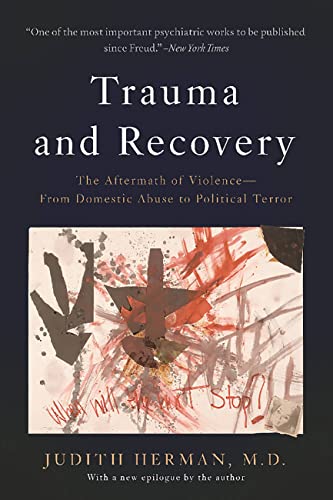
Judith Herman
A foundational psychiatric text on complex trauma and PTSD — still the gold standard for understanding complex trauma conceptually.
Our team sees adults, adolescents, and children in person at Bella Vista and via telehealth across NSW. Medicare rebates with a GP Mental Health Care Plan; NDIS self- and plan-managed; private health depending on fund.