Introduction
Have you ever wondered why you feel sluggish after eating junk food, or why a balanced meal leaves you energised and clear-headed? Growing research shows that what we eat plays a significant role in our emotional and mental state. The connection between nutrition and mental health is becoming clearer, with studies demonstrating that dietary patterns can influence conditions like depression and anxiety.
At Potentialz Psychology in Bella Vista, we understand that mental health support involves looking at the whole person – including lifestyle factors like nutrition. While professional psychological help remains essential for mental health conditions, understanding how food choices can support your wellbeing provides an additional tool for maintaining good mental health.
Understanding the Gut-Brain Connection
The relationship between what we eat and how we feel isn’t just folklore. Scientists have discovered a powerful communication network called the gut-brain axis. This biological highway connects your digestive system to your brain through nerves, hormones, and immune signals.
Your gut contains millions of bacteria (called the gut microbiome) that help digest food, produce vitamins, and regulate inflammation. These tiny organisms also produce neurotransmitters – chemical messengers that affect mood and behaviour. For example, about 90% of serotonin (often called the “happy hormone”) is produced in the gut, not the brain (Adan et al., 2019).
When your gut microbiome is healthy and diverse, it supports better mental health. However, when the balance is disrupted (called dysbiosis), it may contribute to symptoms of anxiety and depression (Borrego-Ruiz & Borrego, 2025).
What Does Research Tell Us About Diet and Mental Health?
Recent scientific studies provide compelling evidence about food’s impact on mental health:
The Mediterranean Diet Connection
Research published in 2024 shows that following a Mediterranean-style eating pattern may help reduce depression symptoms in people experiencing the mood condition. Additional Australian research from 2024 found that adherence to a Mediterranean diet was inversely associated with anxiety and stress symptoms, though the relationship with depression was less clear in older adults.
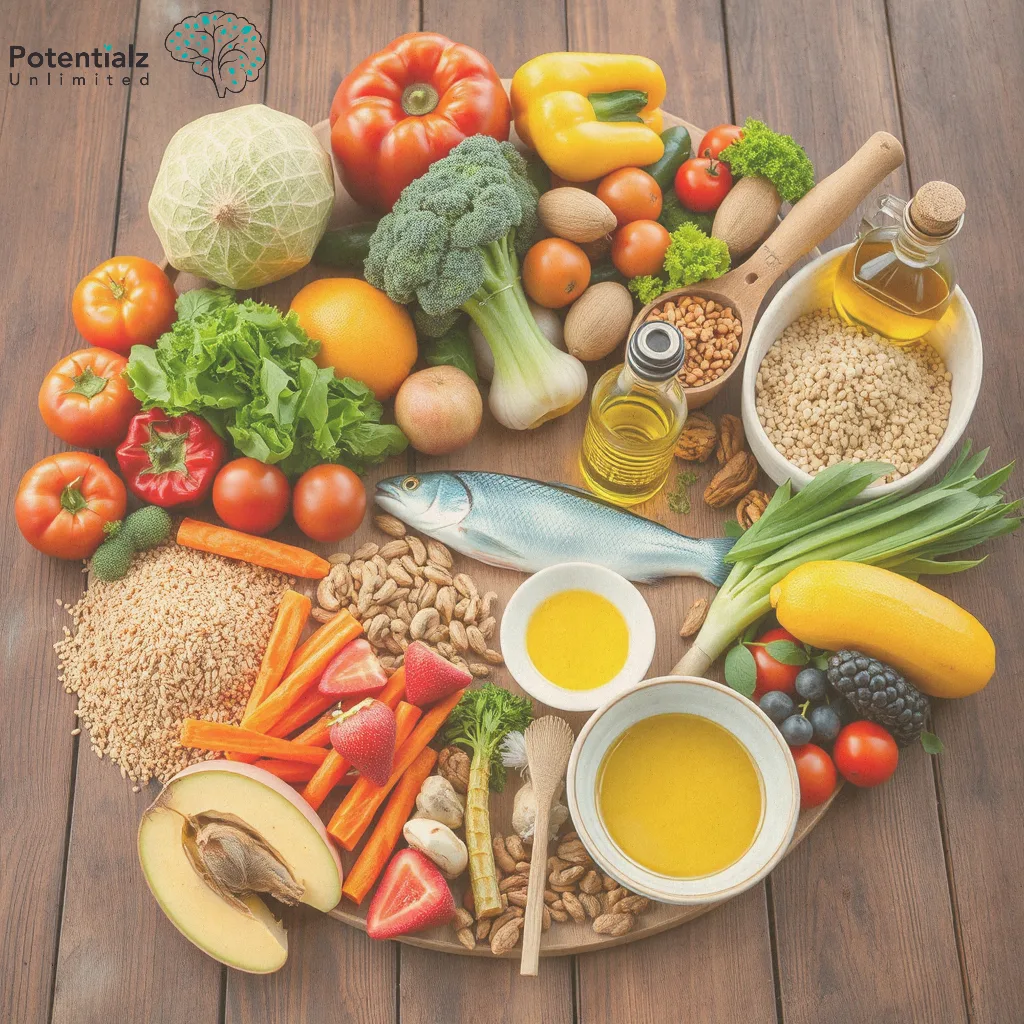
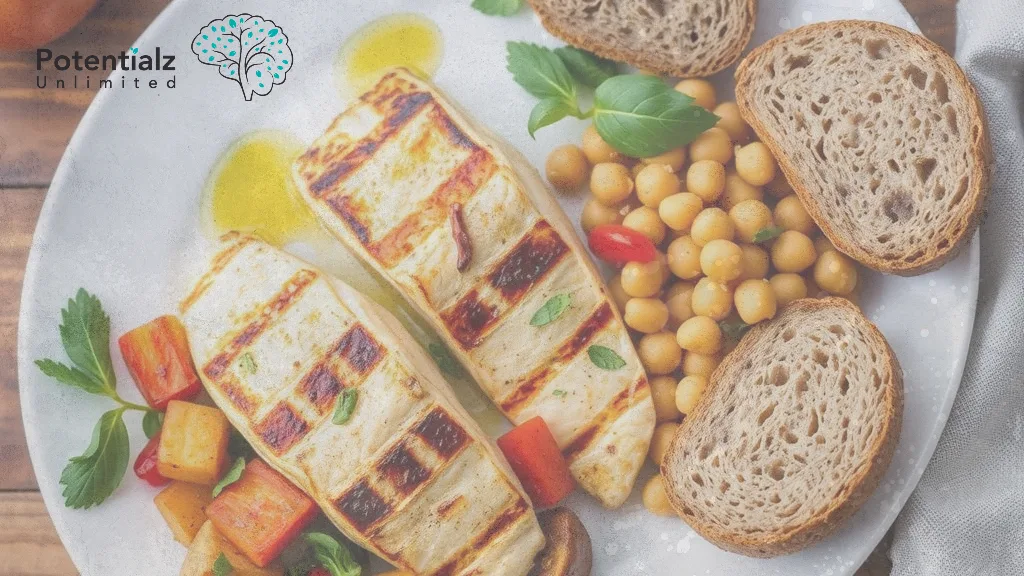
The Mediterranean diet emphasises:
- Fresh vegetables and fruits
- Whole grains like brown rice, quinoa, and oats
- Legumes (beans, lentils, chickpeas)
- Nuts and seeds
- Fish and seafood
- Olive oil as the primary fat source
- Moderate amounts of dairy products
- Limited red meat and processed foods
Nutritional Psychiatry: An Emerging Field
Nutritional psychiatry explores how diet and nutrition affect mood and mental wellbeing, with increasing evidence indicating a strong association between poor diet and worsening of mood disorders, including anxiety and depression.
Research demonstrates that high-quality diets, characterised by higher intake of fruits, vegetables, fish, and whole grains, have been linked to improved wellbeing and reduced likelihood of depression.
Importantly, preliminary research suggests that dietitian-delivered dietary interventions may provide greater effect sizes in both depressive symptoms and metabolic outcomes in psychiatric populations. This highlights the value of working with qualified health professionals when making dietary changes for mental health.
Key Nutrients for Mental Health
While no single food can cure mental health conditions, certain nutrients play important roles in brain function and emotional regulation:
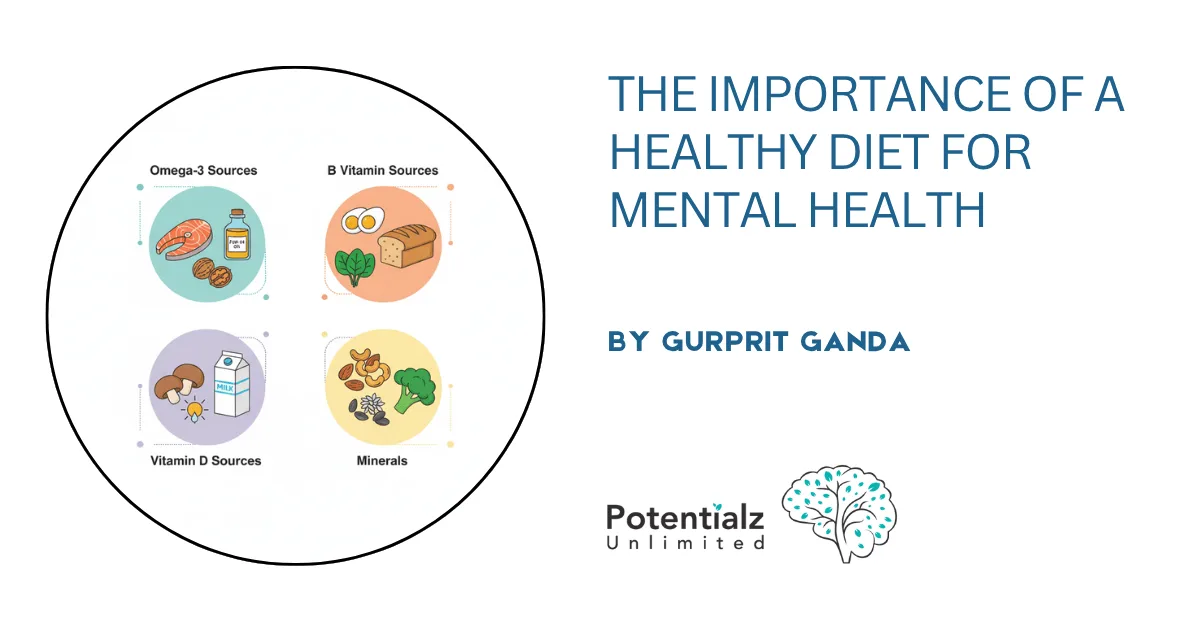
Omega-3 Fatty Acids
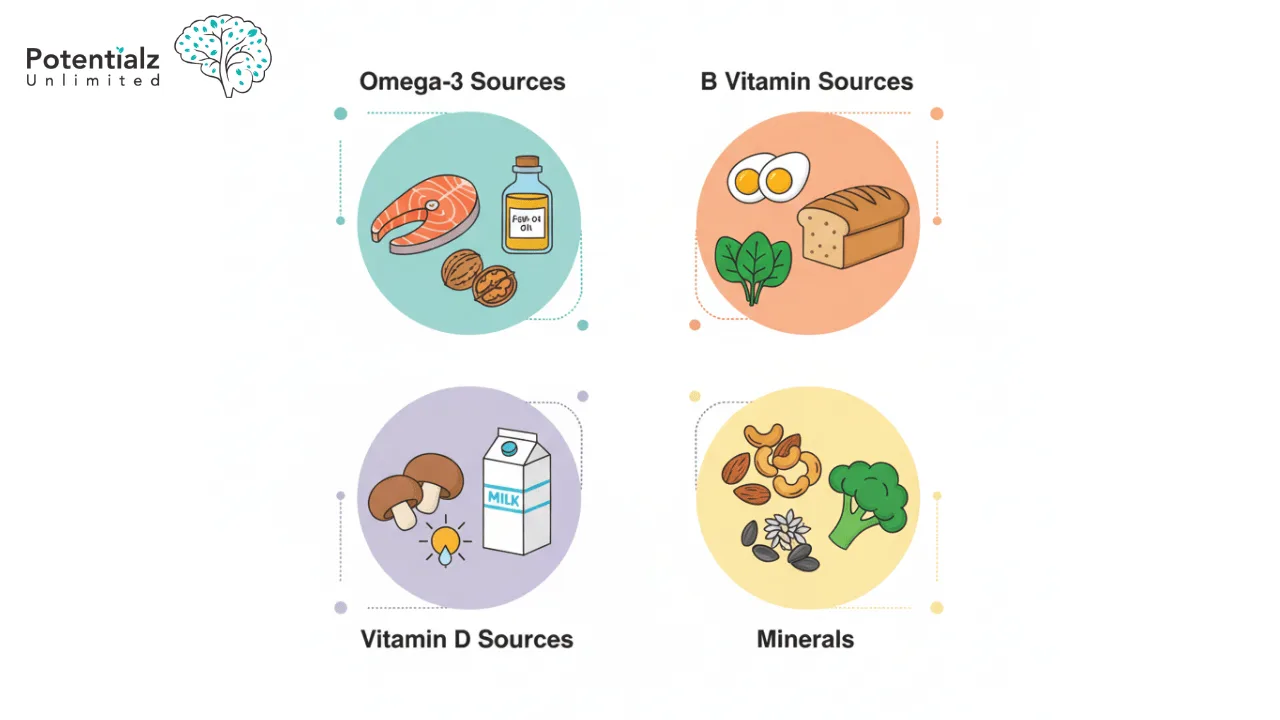
Found in oily fish (salmon, sardines, mackerel), walnuts, chia seeds, and flaxseeds, omega-3 fats are essential for brain structure and function. These fats support the communication between brain cells and help reduce inflammation, which has been linked to depression and anxiety.
B Vitamins
The B vitamin family – particularly B12, B6, and folate – helps your body produce neurotransmitters that regulate mood. You can find B vitamins in:
- Leafy green vegetables (folate)
- Whole grains (B6)
- Animal products like meat, fish, eggs, and dairy (B12)
- Fortified cereals and nutritional yeast (B12 for vegetarians)
For people following plant-based diets, B12 supplementation may be necessary as this vitamin is primarily found in animal products.
Vitamin D
Often called the “sunshine vitamin,” vitamin D supports brain health and mood regulation. Your body produces it when skin is exposed to sunlight, but it’s also found in:
- Fatty fish
- Egg yolks
- Fortified milk and plant milks
- Mushrooms exposed to UV light
Many Australians have low vitamin D levels, especially during winter months. If you’re concerned about your vitamin D status, speak with your GP about testing.
Zinc and Magnesium
These minerals support hundreds of chemical reactions in your body, including those involved in producing neurotransmitters. Good sources include:
- Nuts and seeds (especially pumpkin seeds)
- Whole grains
- Legumes
- Leafy green vegetables
- Meat and seafood
The Gut Microbiome and Mental Health
Recent research highlights the importance of a healthy gut microbiome for mental wellbeing:
- A 2025 systematic review found that depression was associated with reduced microbial diversity and altered bacterial composition, while anxiety was linked with low levels of short-chain fatty acid-producing bacteria.
- A 2022 study found clear evidence that probiotics can reduce negative mood, starting after two weeks of supplementation, based on daily monitoring in healthy volunteers.
Supporting Your Gut Microbiome
You can support a healthy gut microbiome through:
Probiotic Foods (contain beneficial bacteria):
- Natural yoghurt with live cultures
- Kefir
- Sauerkraut
- Kimchi
- Miso
- Kombucha
- Tempeh
Prebiotic Foods (feed beneficial bacteria):
- Onions and garlic
- Leeks and asparagus
- Bananas
- Oats and barley
- Apples
- Flaxseeds
Importantly, research suggests that consuming probiotic foods, rather than supplements, might be more beneficial for mental health improvements.
What to Limit for Better Mental Health
Just as some foods support mental health, others may negatively impact mood and cognition:
Ultra-Processed Foods
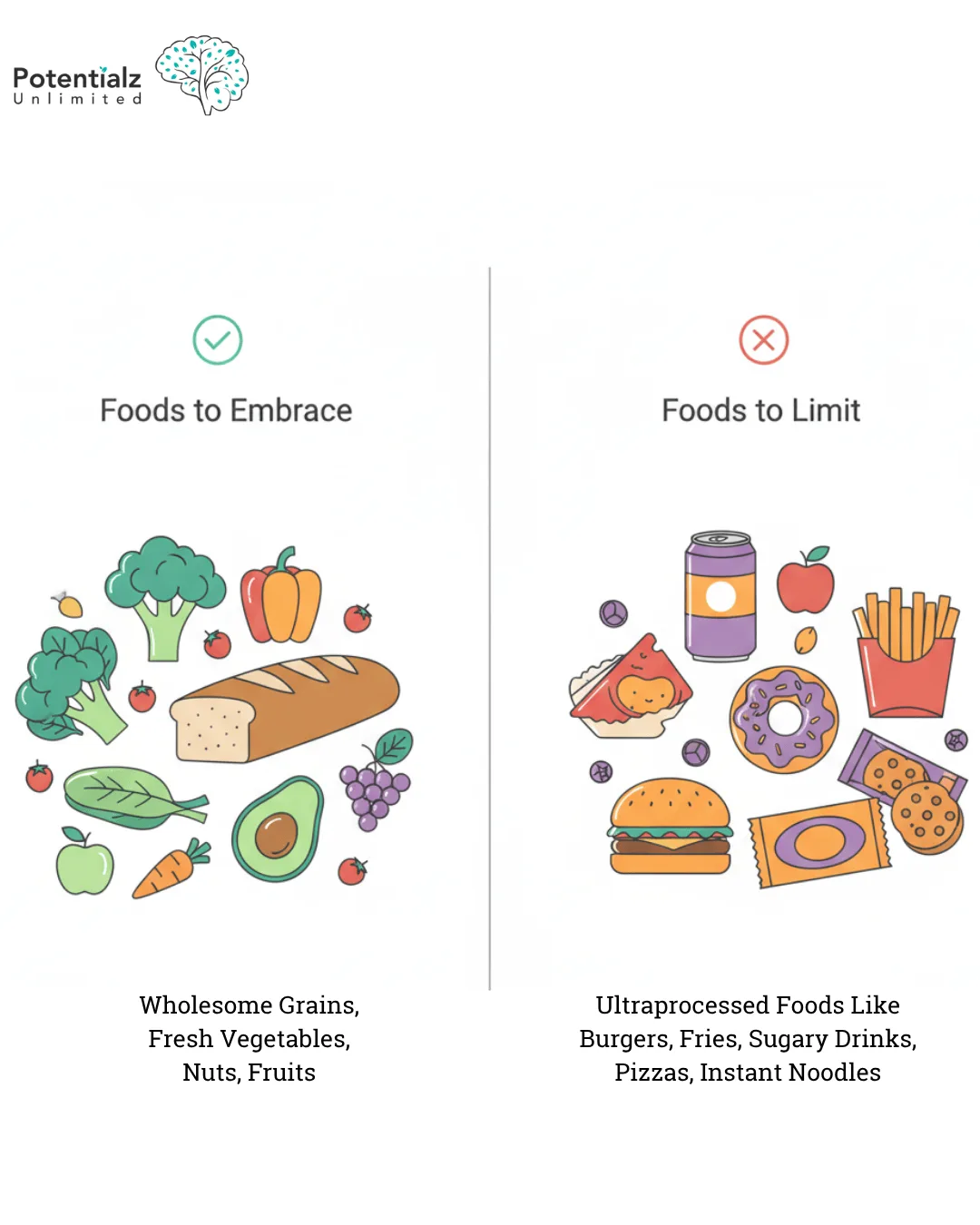
Research shows that high consumption of ultra-processed foods has been associated with significantly increased risk of developing mental disorders (53%), depression (44%), and anxiety (48%).
Ultra-processed foods include:
- Sugary snacks and drinks
- Fast food
- Packaged cakes and biscuits
- Instant noodles and ready meals
- Processed meats
These foods often contain high levels of added sugars, unhealthy fats, and artificial additives that can disrupt gut bacteria and increase inflammation.
Excessive Alcohol and Caffeine
While moderate consumption may be acceptable for some people, excessive alcohol can worsen depression and anxiety. High caffeine intake may increase anxiety symptoms in sensitive individuals. If you’re struggling with mental health, discuss alcohol and caffeine consumption with your healthcare provider.
Practical Steps for Supporting Mental Health Through Healthy Diet
Making dietary changes doesn’t have to be overwhelming. Here are manageable steps you can take:
1. Start Small
Don’t try to overhaul your entire diet overnight. Begin with one or two changes, such as:
- Adding an extra serving of vegetables to dinner
- Swapping white bread for wholegrain
- Including a handful of nuts as a snack
2. Focus on Adding, Not Restricting
Rather than focusing on what you can’t eat, think about what nutritious foods you can add to your meals. This positive approach feels less restrictive and more sustainable.
3. Prepare Simple, Nourishing Meals
You don’t need fancy recipes. Simple combinations work well:
- Grilled fish with roasted vegetables and brown rice
- Vegetable and bean soup with wholegrain bread
- Omelette with mixed vegetables and a side salad
- Greek yoghurt with berries, nuts, and seeds
4. Stay Hydrated
Dehydration can affect concentration and mood. Aim to drink water regularly throughout the day.
5. Be Kind to Yourself
Remember that occasional treats are fine. The goal is establishing healthy patterns most of the time, not achieving perfection.
When to Seek Professional Support
While healthy diet can support mental health, it’s important to understand its role:
Nutrition aka Healthy Diet is NOT a replacement for professional mental health care. If you’re experiencing symptoms of depression, anxiety, or other mental health concerns, please speak with a qualified health professional.
At Potentialz Psychology in Bella Vista, our experienced team offers evidence-based psychological support for various mental health conditions. We can work alongside your GP, dietitian, or other health professionals to provide comprehensive care.
Professional help is especially important if you’re:
- Experiencing persistent low mood or anxiety
- Having thoughts of self-harm
- Finding daily activities increasingly difficult
- Noticing changes in sleep, appetite, or concentration
- Using substances to cope with emotions

The Bottom Line
The connection between what we eat and how we feel is real and significant. While diet alone cannot cure mental health conditions, choosing nutritious foods can support your overall wellbeing and complement other treatment approaches.
Current evidence suggests that dietary interventions, often combined with lifestyle modifications, show promise in preventing and managing mental health conditions, though high-quality research continues to emerge.
Remember:
- Focus on a varied diet rich in vegetables, fruits, whole grains, legumes, nuts, fish, and healthy fats
- Support your gut microbiome with probiotic and prebiotic foods
- Limit ultra-processed foods and excessive sugar
- Stay hydrated and maintain regular meal patterns
- Seek professional help for mental health concerns
Your journey towards better mental health may benefit from addressing multiple factors, including nutrition, exercise, sleep, stress management, and professional psychological support when needed.
If you’re in the Bella Vista, Norwest, Castle Hill, or surrounding Hills District areas and need support for your mental health, the team at Potentialz Psychology is here to help. Our psychologists offer evidence-based treatments tailored to your individual needs.
Knowledge Check
Related Reading
-
Understanding the Different Branches of Psychology More from our blog:
-
Mental Health in Older Adults: Why Ageing Doesn’t Mean Accepting Depression and Anxiety
-
Yoga Asanas vs Ordinary Exercise: What Happens to Your Mind When You Move Differently
Therapy services that may help:
References
- Adan, R. A. H., van der Beek, E. M., Buitelaar, J. K., Cryan, J. F., Hebebrand, J., Higgs, S., Schellekens, H., & Dickson, S. L. (2019). Nutritional psychiatry: Towards improving mental health by what you eat. European Neuropsychopharmacology, 29(12), 1321-1332. https://doi.org/10.1016/j.euroneuro.2019.10.011
- Allcock, L., Mantzioris, E., & Villani, A. (2024). Adherence to a Mediterranean diet is inversely associated with anxiety and stress but not depression: A cross-sectional analysis of community-dwelling older Australians. Nutrients, 16(3), 366. https://doi.org/10.3390/nu16030366
- Berding, K., Bastiaanssen, T. F. S., Moloney, G. M., Boscaini, S., Strain, C. R., Anesi, A., Long-Smith, C., Mattivi, F., Stanton, C., Clarke, G., Dinan, T. G., & Cryan, J. F. (2023). Feed your microbes to deal with stress: a psychobiotic diet impacts microbial stability and perceived stress in a healthy adult population. Molecular Psychiatry, 28(2), 601–610. https://doi.org/10.1038/s41380-022-01817-y
- Borrego-Ruiz, A., & Borrego, J. J. (2025). Human gut microbiome, diet, and mental disorders. International Microbiology, 28, 1-15. https://doi.org/10.1007/s10123-024-00518-6
- Bozzatello, P., Novelli, R., Montemagni, C., Rocca, P., & Bellino, S. (2024). Nutraceuticals in psychiatric disorders: A systematic review. International Journal of Molecular Sciences, 25, 4824. https://doi.org/10.3390/ijms25094824
- Marx, W., Dharmawardene, M., Cheung, M., Lane, M., Hockey, M., Rocks, T., Ruusunen, A., Zajac, I., Machado, P., Jacka, F., O’Neil, A., Berk, M., Dean, O., & Walder, K. (2024). Methodological and reporting recommendations for clinical trials in nutritional psychiatry: Guidelines from the International Society for Nutritional Psychiatry Research. British Journal of Nutrition. https://doi.org/10.1017/S0007114524001946
- O’Neil, A., Quirk, S. E., Housden, S., Brennan, S. L., Williams, L. J., Pasco, J. A., Berk, M., & Jacka, F. N. (2014). Relationship between diet and mental health in children and adolescents: A systematic review. American Journal of Public Health, 104(10), e31-e42. https://doi.org/10.2105/AJPH.2014.302110
- Parletta, N., Zarnowiecki, D., Cho, J., Wilson, A., Bogomolova, S., Villani, A., Itsiopoulos, C., Niyonsenga, T., Blunden, S., Meyer, B., Segal, L., Baune, B. T., & O’Dea, K. (2019). A Mediterranean-style dietary intervention supplemented with fish oil improves diet quality and mental health in people with depression: A randomized controlled trial (HELFIMED). Nutritional Neuroscience, 22(7), 474-487. https://doi.org/10.1080/1028415X.2017.1411320
- Salamon, M. (2024, June 1). Mediterranean diet may help ease depression. Harvard Health Publishing. https://www.health.harvard.edu/mind-and-mood/mediterranean-diet-may-help-ease-depression
- Shaikh, R. G., Dey, A., Singh, V. P., Khandagle, A., M, B., Naik, S., & Hasan, A. (2025). Understanding the Impact of the Gut Microbiome on Mental Health: A Systematic Review. Cureus, 17(1), e78100. https://doi.org/10.7759/cureus.78100
Need Professional Support?
If you're experiencing mental health concerns, our team is here to help.