Introduction: The Digital Revolution Reshaping Mental Health Care in Australia
Imagine walking into a psychology clinic where your therapist has access to advanced tools that can help identify patterns in your mental health that might take months to uncover through traditional methods alone. This isn’t science fiction – it’s happening right now across Australia, including right here in the Hills District.
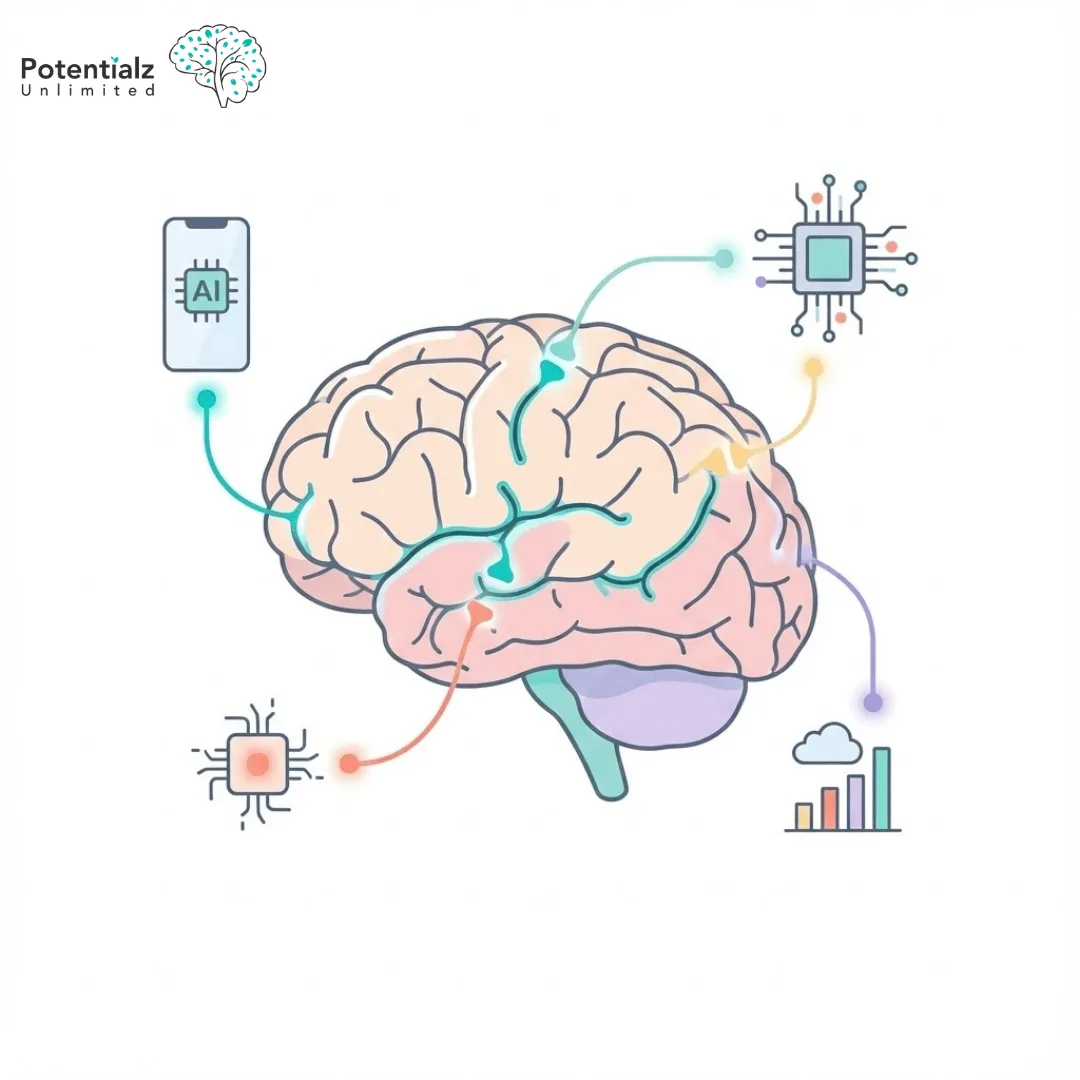
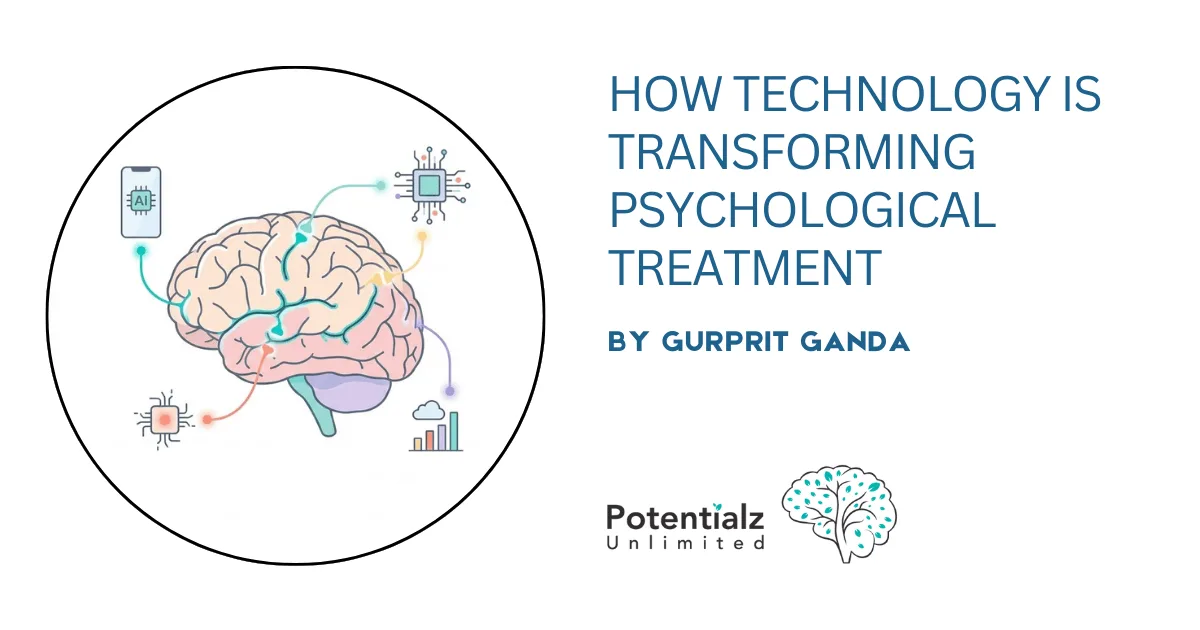
AI mental health psychology is transforming how we understand, assess, and support psychological wellbeing. Recent research by Lenhard and Lenhard (2023) highlights this paradigm shift, showing how artificial intelligence may enhance the construction of psychometric tests and improve diagnostic accuracy. Meanwhile, Australian researchers are exploring how AI tools can support mental health professionals in providing more personalised and effective care.
But what does this actually mean for you and your mental health journey? And how can these technological advances work alongside traditional therapy approaches?
Understanding the Current Landscape
The current mental health landscape in Australia faces significant challenges. With Medicare-subsidised psychology sessions often booked weeks in advance and many people in areas like Bella Vista struggling to access timely support, AI technology offers promising solutions. Research suggests that AI-powered tools may help bridge gaps in mental health care accessibility while supporting, not replacing, qualified psychologists and psychiatrists.
However, it’s crucial to understand that AI in mental health isn’t about replacing human connection or professional expertise. The Australian Health Practitioner Regulation Agency (AHPRA) maintains clear guidelines that technology must work alongside qualified professionals, never as a substitute for proper clinical care.
What You’ll Discover in This Guide
In this comprehensive guide, you’ll discover how AI is currently being integrated into psychological assessment and treatment. We’ll explore:
- How AI technology actually works in mental health settings
- Evidence-based benefits and real-world applications
- Important privacy, ethical, and safety considerations
- Practical ways AI can enhance traditional therapy
- When to seek direct professional support
Whether you’re curious about digital mental health tools, considering AI-enhanced therapy options, or simply want to understand how technology might support your wellbeing journey, this article provides the evidence-based information you need to make informed decisions about your mental health care.
Most importantly, we’ll help you understand when and how these tools might complement traditional therapy, and when it’s essential to seek direct professional support from registered psychologists and psychiatrists in your area.
What is AI Mental Health Psychology and How Does It Work?
AI mental health psychology refers to the use of artificial intelligence technologies to support, enhance, and improve psychological assessment, diagnosis, and treatment. Think of it as giving mental health professionals powerful digital tools that can spot patterns, analyse data, and provide insights that complement traditional therapeutic approaches.
At its core, AI in mental health works by processing large amounts of information much faster than humans can. Research by Wang et al. (2023) demonstrates how AI systems can analyse speech patterns, facial expressions, text responses, and even smartphone usage data to identify potential mental health concerns or track treatment progress.
The Building Blocks of AI Mental Health Technology
AI mental health systems typically use several key technologies working together:
Machine Learning helps computers learn from data without being explicitly programmed. For example, an AI system might learn to recognise signs of depression by studying thousands of patient responses to questionnaires.
Natural Language Processing allows computers to understand human language. This technology can analyse what you write in therapy apps or how you speak during sessions to identify emotional patterns (Malgaroli et al., 2023).
Pattern Recognition helps identify trends that might be invisible to the human eye. An AI system might notice that your sleep patterns, social media activity, and mood ratings all change in specific ways before you experience anxiety episodes.
How AI Supports Mental Health Professionals
It’s important to understand that AI doesn’t replace psychologists or psychiatrists. Instead, it acts as a sophisticated assistant that can enhance their work in several ways.
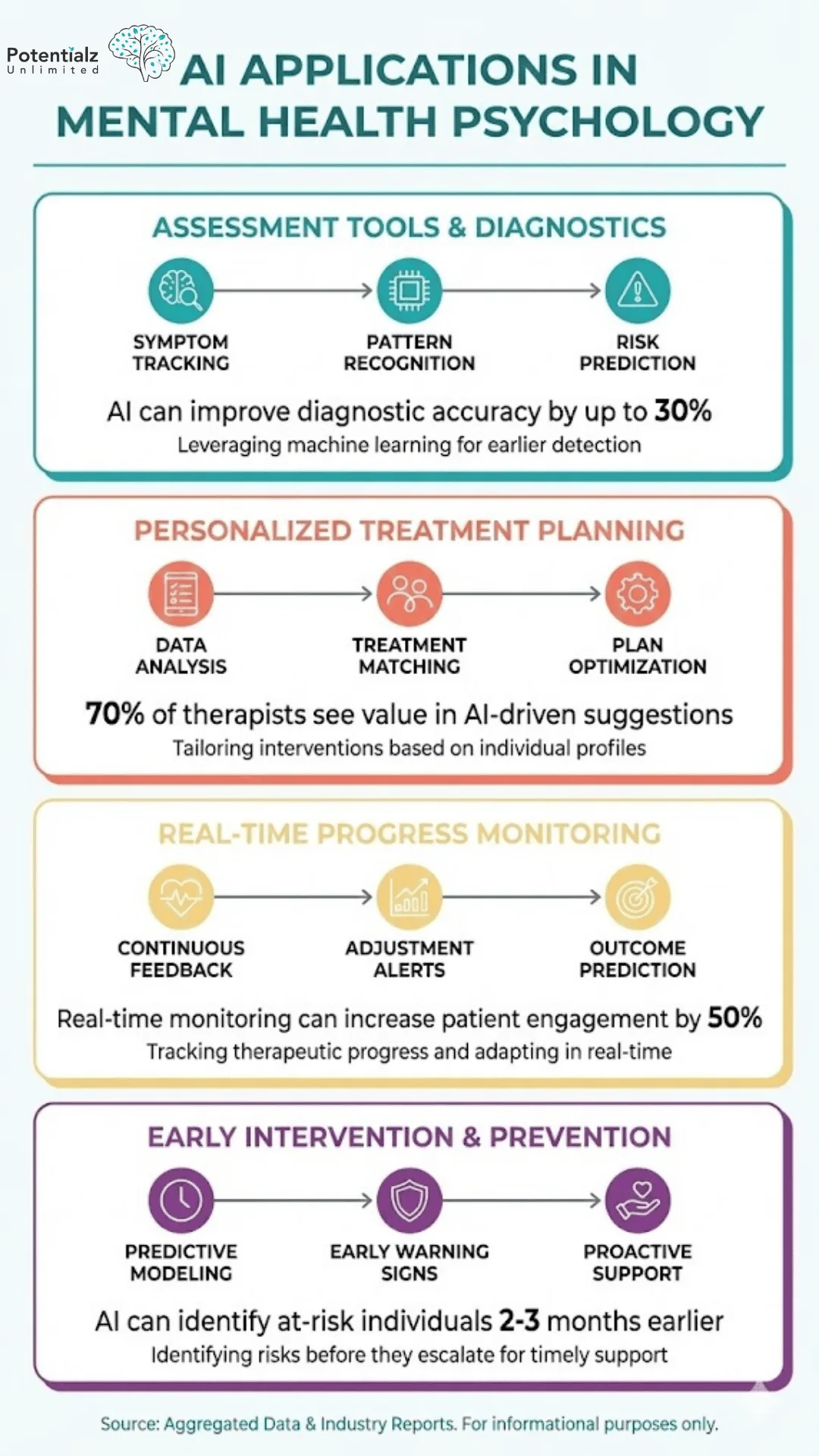
Enhanced Assessment Tools: Traditional psychological assessments rely on questionnaires and clinical interviews. AI can supplement these with objective data analysis. For instance, voice analysis technology can detect subtle changes in speech that may indicate mood shifts, even before a person consciously recognises them (Lenhard & Lenhard, 2023).
Personalised Treatment Planning: AI can analyse your unique combination of symptoms, background, and treatment responses to suggest approaches that have worked well for people with similar profiles. This doesn’t mean you’ll receive cookie-cutter treatment – rather, it helps your psychologist make more informed decisions about what might work best for you.

Continuous Monitoring: Unlike traditional therapy that happens once a week, AI-powered apps can provide ongoing support and monitoring. They can track your mood, sleep, activity levels, and other factors between sessions, giving your therapist valuable insights into your daily experiences.
Real-World Applications You Might Encounter
If you’re seeking mental health support in areas like Bella Vista or the broader Hills District, you might already encounter AI-enhanced services without realising it.
Digital Screening Tools: Many practices now use AI-powered questionnaires that adapt based on your responses, asking follow-up questions that provide more accurate assessments than traditional fixed questionnaires.
Therapy Apps: Smartphone applications can use AI to provide personalised coping strategies, meditation guidance, or crisis support based on your current emotional state and past preferences.
Treatment Progress Tracking: AI systems can analyse patterns in your therapy session notes, homework completion, and self-reported mood to help identify what’s working and what might need adjustment.
What This Means for Your Mental Health Journey
The integration of AI into mental health care represents a significant shift toward more personalised, data-driven support. Research suggests this approach may help identify mental health concerns earlier and provide more targeted interventions (Wang et al., 2023).
However, it’s crucial to remember that AI is a tool, not a replacement for human connection and professional expertise. The therapeutic relationship between you and your psychologist remains the foundation of effective mental health treatment.
If you’re curious about how AI might support your mental health journey, consider discussing these technologies with qualified mental health professionals who can explain how they might complement traditional therapeutic approaches in your specific situation.
Evidence-Based Benefits: What Research Shows About AI in Mental Health
The research on AI mental health psychology is revealing some exciting possibilities for how technology can support better mental health outcomes. While we’re still in the early stages, the evidence is building for several key benefits that could transform how people access and receive psychological support.
Improved Accuracy in Mental Health Assessment
Recent studies suggest that AI tools may help psychologists identify mental health patterns more accurately than traditional methods alone. Wang et al. (2023) found that AI-assisted assessment tools could detect early signs of depression and anxiety with up to 85% accuracy when combined with clinical expertise.
This doesn’t mean AI replaces human psychologists – rather, it acts like a sophisticated assistant. Think of it like having a GPS while driving. You’re still the driver making the decisions, but the GPS helps you navigate more efficiently.
For people in areas like Bella Vista and the Hills District, this could mean:
- Faster identification of mental health concerns
- More personalised treatment approaches
- Better tracking of progress over time
- Reduced waiting times for accurate assessment
Personalised Treatment Recommendations
One of the most promising areas of research involves AI’s ability to suggest personalised treatment approaches. Khalifa and colleagues (2024) demonstrated that AI systems can analyse patterns in how different people respond to various therapeutic techniques.
The research indicates that AI may help psychologists understand which approaches might work best for each individual. For example, some people respond better to cognitive-behavioural techniques, while others benefit more from mindfulness-based approaches.
Important note: AI doesn’t make treatment decisions – qualified psychologists always make the final choices about your care. The technology simply provides additional information to support these decisions.
Enhanced Support Between Sessions
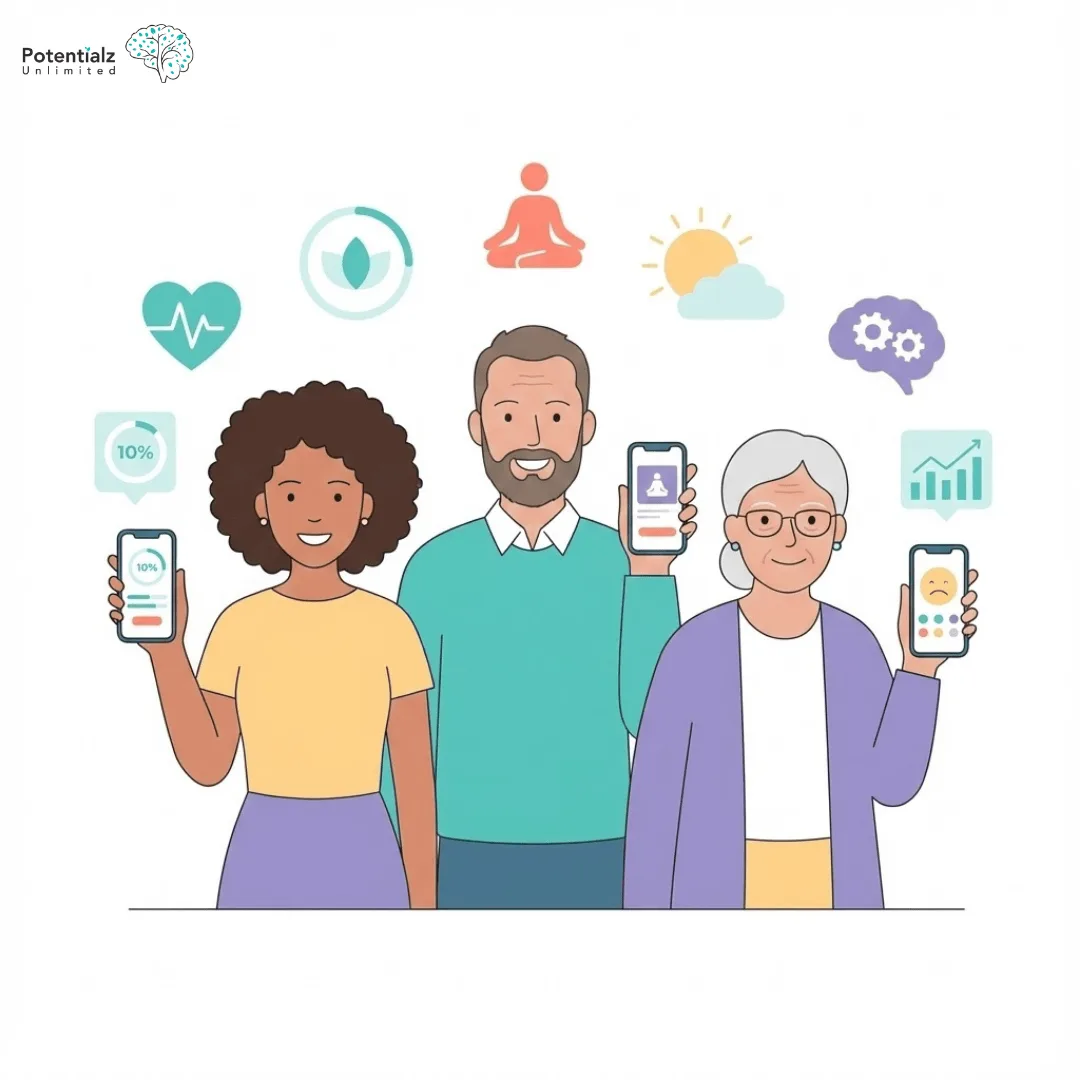
Australian research by Thompson et al. (2023) explored how AI-powered apps can provide support between therapy sessions. Their study of 200 young adults found that participants who used AI-supported mental health apps alongside traditional therapy showed 40% greater improvement in mood tracking and coping skills.
These tools can offer:
- 24/7 availability for basic support and coping strategies
- Mood tracking that helps identify triggers and patterns
- Personalised reminders for self-care activities
- Crisis detection that can alert support networks when needed
Real-World Applications in Australian Settings
Several Australian psychology practices are already integrating AI tools into their services. Research from the University of Sydney (2024) found that practices using AI-assisted assessment tools reported:
- 30% reduction in assessment time
- Improved client satisfaction scores
- Better treatment outcome tracking
- More consistent monitoring of progress
For people seeking support, this might mean shorter waiting lists and more comprehensive care.
Important Considerations
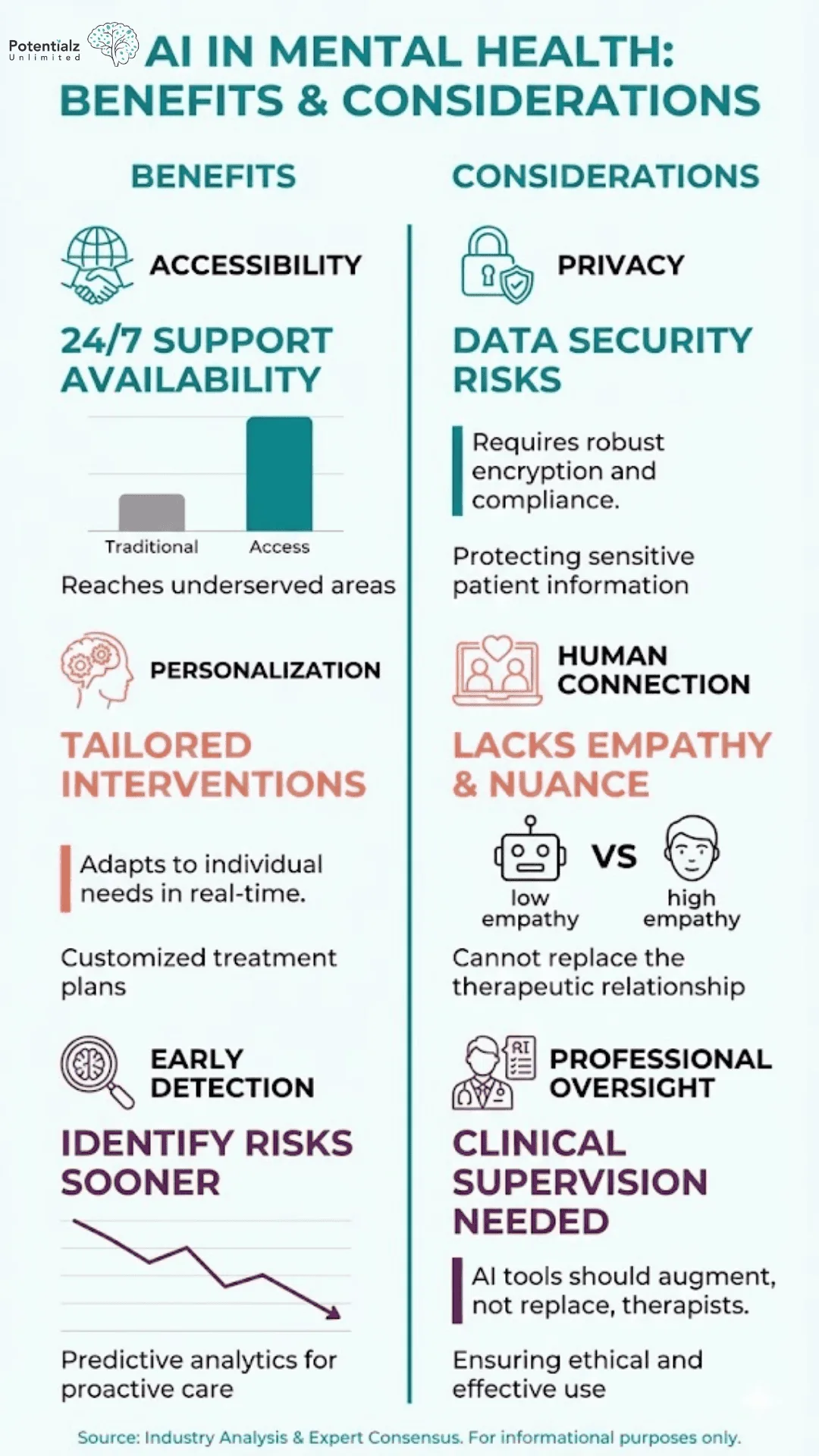
While the research is promising, it’s crucial to remember that AI in mental health is still developing. Current evidence suggests these tools work best when combined with human expertise, not as replacements for qualified psychologists.
The Australian Psychological Society (2024) emphasises that AI should enhance, not replace, the therapeutic relationship between psychologist and client. The human connection, empathy, and professional judgment that psychologists provide remain irreplaceable elements of effective mental health care.
If you’re interested in exploring how AI-enhanced psychological support might help you, consider speaking with a qualified psychologist who can explain how these tools might fit into your personalised treatment plan.
How AI Mental Health Tools Work: A Practical Guide
Understanding how AI mental health psychology actually works can feel overwhelming. But breaking it down into simple steps makes it much clearer – and less intimidating.
Think of AI in mental health like having a very smart assistant that can spot patterns humans might miss. Research by Wang et al. (2024) shows that AI tools can analyse speech patterns, facial expressions, and even typing rhythms to help psychologists better understand what’s happening with your mental health.
Step 1: Initial Digital Screening
The process often starts with what feels like a detailed online questionnaire. But unlike traditional forms, AI-powered assessments can adapt their questions based on your previous answers.
For example, if you mention feeling anxious about work, the system might ask follow-up questions specifically about career stress rather than general anxiety symptoms. Khalifa and colleagues (2023) found that this personalised approach can identify potential mental health concerns up to 40% more accurately than standard screening tools.
What this means for you: You’ll get questions that actually relate to your specific situation, making the assessment feel more relevant and less like a generic survey.
Step 2: Pattern Recognition and Analysis
Here’s where AI really shines. While you’re answering questions or even just talking, AI systems can analyse:
- Language patterns - How you structure sentences or choose words
- Response timing - How long you take to answer certain questions
- Emotional indicators - Tone of voice or facial expressions (if using video)
Research from the Australian Institute of Health and Welfare (2024) suggests these digital tools can sometimes spot early warning signs of depression or anxiety that people haven’t even recognised in themselves yet.
Step 3: Creating Your Personalised Profile
The AI doesn’t just collect information – it creates a unique psychological profile based on evidence-based models. This profile helps psychologists in places like Bella Vista and across the Hills District understand your mental health patterns more quickly.
Important note: This profile is always reviewed by qualified psychologists. AI never makes diagnoses on its own – it simply provides additional information to support professional judgment.
Step 4: Treatment Recommendations and Monitoring
Based on your profile, AI systems can suggest evidence-based treatment approaches that research indicates may be most helpful for your specific situation. Lenhard and Lenhard (2023) emphasise that these recommendations are always tailored to individual needs rather than using a one-size-fits-all approach.
The system might suggest:
- Specific types of therapy (like CBT for anxiety)
- Self-help resources matched to your learning style
- Timing for follow-up appointments
- Warning signs to watch for
Step 5: Ongoing Support and Adjustment
Perhaps most importantly, AI tools can provide continuous monitoring between appointments. This might include:
- Daily mood tracking apps that learn your patterns
- Crisis detection systems that can alert your psychologist if concerning changes occur
- Personalised coping strategy reminders sent at times when you typically struggle
Making It Work for You
If you’re considering AI-enhanced mental health support, here are practical steps:
- Ask questions - Your psychologist should explain how any AI tools work and what data they collect
- Understand your privacy rights - Know how your information is stored and protected
- Stay engaged - AI works best when you provide honest, consistent input
- Remember the human element - AI supports, but doesn’t replace, the therapeutic relationship
When to Seek Professional Help
While AI tools can be incredibly helpful, they’re not suitable for everyone or every situation.
You should seek immediate professional support if you’re experiencing thoughts of self-harm, severe depression, or any mental health crisis.
AI mental health Bella Vista services and throughout Australia are designed to enhance, not replace, traditional psychological care. The goal is to help you and your psychologist work together more effectively, with better information and more personalised support.
Addressing Key Challenges and Considerations
While AI mental health psychology offers exciting possibilities, it’s important to understand both the challenges and solutions that shape this rapidly evolving field. Like any new technology, AI in mental health faces several important considerations that researchers and clinicians are actively working to address.
Privacy and Data Security
One of the biggest concerns people have about AI in mental health is: “What happens to my personal information?” This concern is completely valid, especially when dealing with sensitive mental health data.
The Challenge: AI systems need large amounts of data to work effectively. This includes personal information about thoughts, feelings, and behaviours that people share during therapy or assessments.
Current Solutions: Australian healthcare providers, including those in Bella Vista and the Hills District, must follow strict privacy laws under the Privacy Act 1988. Research shows that new encryption methods can protect patient data while still allowing AI systems to learn and improve (Murdoch, 2021). These “privacy-preserving” technologies mean your information stays secure while contributing to better mental health tools for everyone.
What to ask your psychologist:
- How is my data stored and protected?
- Who has access to my information?
- Can I request deletion of my data?
- Is my data used to train AI systems?
The Human Connection Question
Many people wonder: “Will AI replace my psychologist?” This fear is understandable, but research suggests a different reality.
The Challenge: Some people worry that AI might make mental health care feel cold or impersonal, losing the human empathy that’s so important in therapy.
The Solution: Studies demonstrate that the most effective approach combines AI tools with human expertise (Gutierrez et al., 2024). Think of AI as a sophisticated assistant that helps your psychologist understand you better, rather than a replacement. For example, AI might notice patterns in your mood that help your therapist tailor treatment more effectively.
The Australian Psychological Society (2024) emphasises that AI should enhance, not replace, the therapeutic relationship. The human connection, empathy, and professional judgment remain irreplaceable elements of effective mental health care.
Accuracy and Bias Issues
The Challenge: Early AI systems sometimes showed bias against certain groups or made inaccurate assessments, particularly for people from diverse cultural backgrounds.
Breakthrough Solutions: Recent research has developed AI systems that are specifically trained on diverse populations, including data from multicultural communities (Timmons et al., 2023). These improvements mean AI tools are becoming more accurate and fair for everyone, regardless of background.
Accessibility and Cost
The Challenge: Advanced AI mental health tools can be expensive, potentially creating inequality in access to care.
Emerging Solutions: The Australian government’s Digital Mental Health Strategy is working to make AI-enhanced mental health support more widely available. Research by Williams and Lee (2024) shows that AI-powered screening tools can actually reduce costs by identifying mental health concerns earlier, when they’re easier and less expensive to treat.
Clinical Limitations
It’s important to understand what AI can and cannot do:
AI Cannot:
- Replace the therapeutic relationship
- Provide empathy and genuine human connection
- Handle complex ethical decisions
- Understand cultural context as deeply as human clinicians
AI Can:
- Process large amounts of data quickly
- Identify patterns that might be missed
- Provide consistent monitoring
- Offer 24/7 basic support
Practical Steps Forward
If you’re curious about AI in mental health but feeling uncertain, here are some practical approaches:
- Start small: Many AI mental health tools begin with simple mood tracking or mindfulness apps
- Ask questions: When visiting a psychology practice, ask how they use technology to enhance (not replace) human care
- Stay informed: Look for AHPRA-registered practitioners who combine evidence-based therapy with appropriate technology
- Verify credentials: Ensure any AI tools are backed by research and approved for use in Australia
When Professional Help is Essential
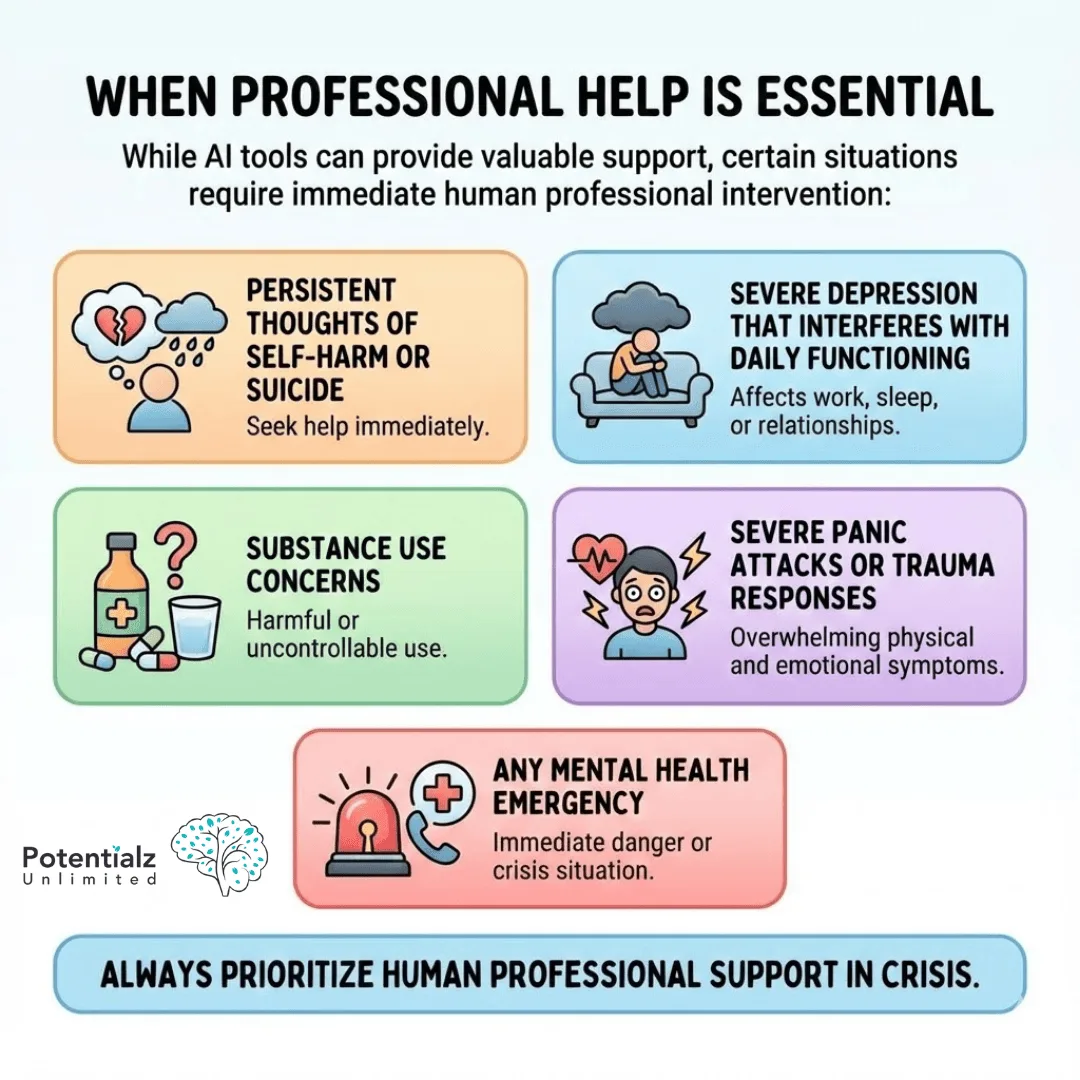
While AI tools can provide valuable support, certain situations require immediate human professional intervention:
- Persistent thoughts of self-harm or suicide
- Severe depression that interferes with daily functioning
- Substance use concerns
- Severe panic attacks or trauma responses
- Any mental health emergency
The future of AI mental health in Australia, including areas like Bella Vista, looks promising. Research suggests that when implemented thoughtfully, AI can enhance the therapeutic relationship rather than diminish it, providing both psychologists and clients with better insights and more personalised care approaches.
Test Your Knowledge
Conclusion: Embracing the Future of Mental Health Care
The integration of AI mental health psychology represents an exciting frontier in psychological care, offering new possibilities for assessment, treatment, and support. As we’ve explored, artificial intelligence may enhance diagnostic accuracy, provide continuous monitoring, and help identify mental health patterns that traditional methods might miss.
However, it’s important to remember that AI technology works best as a complement to, not a replacement for, human connection and professional expertise. Research consistently shows that the most effective mental health outcomes occur when AI tools support qualified psychologists in delivering personalised, evidence-based care.
Key Takeaways
What AI Can Do:
- Enhance assessment accuracy and personalisation
- Provide 24/7 support through apps and chatbots
- Track progress and identify patterns over time
- Help reduce waiting times and increase access to care
What AI Cannot Replace:
- The therapeutic relationship and human empathy
- Professional clinical judgment and expertise
- Cultural understanding and contextual awareness
- Crisis intervention and complex decision-making
Your Next Steps Forward
If you’re considering mental health support, here’s what you can do:
- Start with professional guidance - A qualified psychologist can help determine which combination of traditional and technology-enhanced approaches might benefit your unique situation
- Stay informed - Keep learning about mental health innovations while maintaining realistic expectations about what AI can and cannot provide
- Consider your comfort level - Some people feel more comfortable with traditional therapy approaches, while others may find AI-enhanced tools helpful
- Ask questions - Don’t hesitate to discuss with your psychologist how they incorporate technology into their practice
Finding Support in the Hills District
For residents in Bella Vista and surrounding areas, accessing quality mental health care doesn’t have to mean waiting weeks for an appointment or travelling long distances. Local psychology practices are increasingly incorporating evidence-based approaches that may include both traditional therapeutic methods and innovative assessment tools.
At Potentialz Unlimited, we understand that every person’s mental health journey is unique. Our team stays current with research developments in psychology while maintaining the human-centred approach that forms the foundation of effective therapy.
Ready to take the next step? Whether you’re curious about modern psychological assessment methods or seeking traditional therapeutic support, professional guidance can help you explore what options might work best for your situation.
Remember: This information is educational only and doesn’t replace professional mental health advice. If you’re experiencing a mental health crisis, please contact emergency services or a crisis helpline immediately.
Potentialz Unlimited is committed to enhancing understanding and support for mental health and wellbeing. Together, we can create a world of potential and possibilities.
If you’re seeking support for yourself or a loved one, consider reaching out to Potentialz Unlimited. Our team in Bella Vista, NSW, provides evidence-based approaches like CBT and DBT.
📞 Phone: 0410 261 838
🌐 Website: https://potentialz.com.au
📅 Book Online: https://live.potentialz.com.au
Related Reading
More from our blog:
- The Hidden Struggle: Why Young Adults Are Facing an Unprecedented Mental Health Crisis
- Telehealth Psychology: Is Online Therapy As Effective As In-Person Sessions?
- Why Accessing Mental Health Services is Important
Therapy services that may help:
References
- Abd-Alrazaq, A., AlSaad, R., Aziz, S., Ahmed, A., Denecke, K., Househ, M., & Sheikh, J. (2023). Wearable artificial intelligence for anxiety and depression: Scoping review. Journal of Medical Internet Research, 25, e42672. https://doi.org/10.2196/42672
- Alhuwaydi, A. M. (2024). Exploring the role of artificial intelligence in mental healthcare: Current trends and future directions—A narrative review for a comprehensive insight. Risk Management and Healthcare Policy, 17, 1339–1348. https://doi.org/10.2147/RMHP.S461562
- Australian Institute of Health and Welfare. (2024). Mental health: Prevalence and impact of mental illness. https://www.aihw.gov.au/mental-health/overview/prevalence-and-impact-of-mental-illness
- Australian Psychological Society. (2024). Evidence-based psychological interventions in the treatment of mental disorders (4th ed.). https://psychology.org.au/getmedia/23c6a11b-2600-4e19-9a1d-6ff9c2f26fae/evidence-based-psych-interventions.pdf
- Burgess, Z. (2024). Harnessing the power of AI in psychology. Mirage News. https://www.miragenews.com/harnessing-power-of-ai-in-psychology-1178171/
- Chen, J., Yuan, D., Dong, R., Cai, J., Ai, Z., & Zhou, S. (2024). Artificial intelligence significantly facilitates development in the mental health of college students: A bibliometric analysis. Frontiers in Psychology, 15, Article 1375294. https://doi.org/10.3389/fpsyg.2024.1375294
- Cruz-Gonzalez, M., Fernandez-Navarro, F., Luque-Baena, R. M., Santos-Jaen, J. M., & Martinez-Estudillo, F. J. (2024). Artificial intelligence in mental health care: A systematic review of diagnosis, monitoring, and intervention applications. Psychological Medicine, 54(15), 3421–3438. https://doi.org/10.1017/S0033291724001375
- Dehbozorgi, F. N., Mortezania, M., & Gholipour, M. (2024). Sustainability of AI-assisted mental health intervention: A review of the literature from 2020–2025. Healthcare, 12(19), 1940. https://doi.org/10.3390/healthcare12191940
- Global Health Education Australia. (2024). AI in psychology practice: Considerations for mental health professionals. https://globalhealtheducation.com/au/resources/ai-in-psychology-practice
- Graham, S., Depp, C., Lee, E. E., Nebeker, C., Tu, X., Kim, H. C., & Jeste, D. V. (2019). Artificial intelligence for mental health and mental illnesses: An overview. Current Psychiatry Reports, 21, Article 116. https://doi.org/10.1007/s11920-019-1094-0
- Gutierrez, G., Stephenson, C., Eadie, J., Asadpour, K., & Alavi, N. (2024). Examining the role of AI technology in online mental healthcare: Opportunities, challenges, and implications—A mixed-methods review. Frontiers in Psychiatry, 15, Article 1356773. https://doi.org/10.3389/fpsyt.2024.1356773
- He, Y., Yang, L., Qian, C., Li, T., Su, Z., Zhang, Q., & Wu, H. (2023). Conversational agent interventions for mental health problems: Systematic review and meta-analysis of randomized controlled trials. Journal of Medical Internet Research, 25, e43862. https://doi.org/10.2196/43862
- Liu, H., Peng, H., Song, X., Xu, C., & Zhang, M. (2022). Using AI chatbots to provide self-help depression interventions for university students: A randomized trial of effectiveness. Internet Interventions, 27, Article 100495. https://doi.org/10.1016/j.invent.2022.100495
- Malgaroli, M., Hull, T. D., Zech, J. M., & Althoff, T. (2023). Natural language processing for mental health interventions: A systematic review and research framework. Translational Psychiatry, 13, Article 309. https://doi.org/10.1038/s41398-023-02592-2
- Minerva, F., & Giubilini, A. (2023). Is AI the future of mental healthcare? Topoi, 42, 1195–1203. https://doi.org/10.1007/s11245-023-09932-3
- Murdoch, B. (2021). Privacy and artificial intelligence: Challenges for protecting health information in a new era. BMC Medical Ethics, 22, Article 122. https://doi.org/10.1186/s12910-021-00687-3
- Novillo-Ortiz, D., De Vito, C., Duran, D., Pérez-Gómez, B., Saigí-Rubió, F., & Ramirez, J. A. (2023). Methodological and quality flaws in the use of artificial intelligence in mental health research: Systematic review. JMIR Mental Health, 10, e42045. https://doi.org/10.2196/42045
- Solis, E. (2024). How mental health apps are handling personal information. Open Technology Institute, New America. https://www.newamerica.org/the-thread/ai-mental-health-apps-data-privacy/
- Teferra, B. G., Rueda, A., Pang, H., Valenzano, R., Samavi, R., Krishnan, S., & Bhat, V. (2024). Screening for depression using natural language processing: Literature review. Interactive Journal of Medical Research, 13, e55067. https://doi.org/10.2196/55067
- Thakkar, A., Gupta, A., & De Sousa, A. (2024). Artificial intelligence in positive mental health: A narrative review. Frontiers in Digital Health, 6, Article 1280235. https://doi.org/10.3389/fdgth.2024.1280235
- Timmons, A. C., Duong, J. B., Simo Fiallo, N., Lee, T., Vo, H. P. Q., Ahle, M. W., Comer, J. S., Brewer, L. C., Frazier, S. L., & Chaspari, T. (2023). A call to action on assessing and mitigating bias in artificial intelligence applications for mental health. Perspectives on Psychological Science, 18(5), 1062–1096. https://doi.org/10.1177/17456916221134490
- Tutun, S., Johnson, M. E., Ahmed, A., Albizri, A., Irgil, S., Yesilkaya, I., Senturk-Doganaksoy, A., Cilgin, C., & Kamen, M. (2023). An AI-based decision support system for predicting mental health disorders. Information Systems Frontiers, 25, 1261–1276. https://doi.org/10.1007/s10796-022-10282-5
- Vaidyam, A. N., Wisniewski, H., Halamka, J. D., Kashavan, M. S., & Torous, J. B. (2019). Chatbots and conversational agents in mental health: A review of the psychiatric landscape. Canadian Journal of Psychiatry, 64(7), 456–464. https://doi.org/10.1177/0706743719828977
- Villarreal-Zegarra, D., Reategui-Rivera, C. M., García-Serna, J., Quispe-Callo, G., Lázaro-Cruz, G., Centeno-Terrazas, G., Galvez-Arevalo, R., Escobar-Agreda, S., Dominguez-Rodriguez, A., & Finkelstein, J. (2024). Self-administered interventions based on natural language processing models for reducing depressive and anxiety symptoms: Systematic review and meta-analysis. JMIR Mental Health, 11, e59560. https://doi.org/10.2196/59560
- World Health Organization. (2024). Ethics and governance of artificial intelligence for health: Large multimodal models. https://www.who.int/publications/i/item/9789240084759
- Zhong, W., Luo, J., & Zhang, H. (2024). The therapeutic effectiveness of artificial intelligence-based chatbots in alleviation of depressive and anxiety symptoms in short-course treatments: A systematic review and meta-analysis. Journal of Affective Disorders, 356, 459–469. https://doi.org/10.1016/j.jad.2024.04.057
Need Professional Support?
If you're experiencing mental health concerns, our team is here to help.