by Catherine Pittman & Elizabeth Karle · 2015
Accessible neuroscience of anxiety (amygdala vs. cortex) — helps clients understand why they feel anxious and how to intervene.
Best for: Adults who want to understand the brain basis of their anxiety before learning how to change it.
Ad / Affiliate link: We may earn a small commission at no extra cost to you. Our full reading list.
Accessible neuroscience of anxiety (amygdala vs. cortex) — helps clients understand why they feel anxious and how to intervene.
Pittman and Karle explain the amygdala and cortex pathways behind anxiety in plain terms. Helpful for clients who find that understanding the mechanism takes some of the fear out of it.
Best for: Adults who want to understand the brain basis of their anxiety before learning how to change it.
A note. This is reading material, not clinical treatment. If you’re working through something difficult, books complement therapy — they don’t replace it. Book a session with our team for personalised support.
More books in anxiety, panic & ocd.
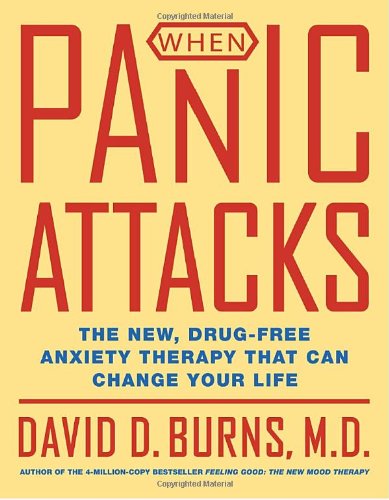
David D. Burns
CBT for anxiety and panic, written for general readers.
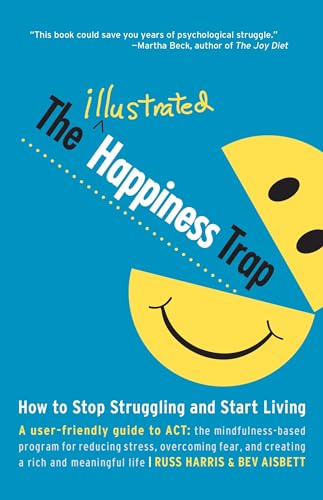
Russ Harris
An Australian psychiatrist's introduction to ACT (Acceptance and Commitment Therapy).
Clark & Beck
The CBT workbook from one of CBT's founders — structured, evidence-based, and widely used in individual therapy.
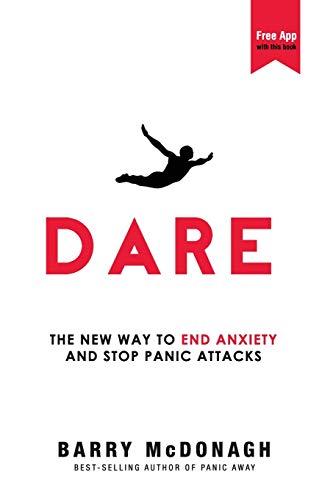
Barry McDonagh
Practical, non-avoidance approach to panic widely recommended by anxious clients; accessible and non-clinical in tone.
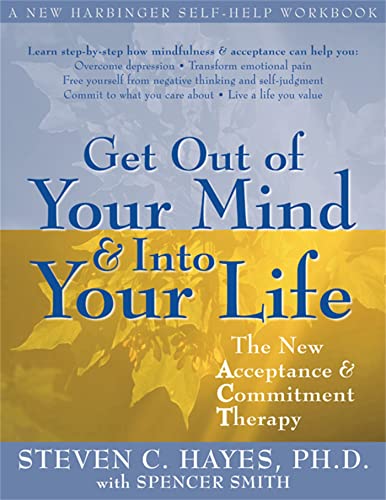
Steven C. Hayes
The ACT self-help workbook by ACT's founder; evidence-based, practically structured, and strongly recommended by ACBS.
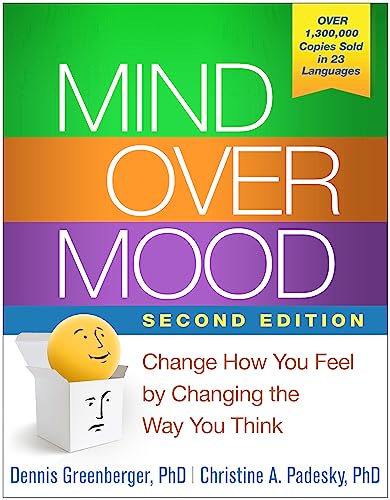
Dennis Greenberger & Christine Padesky
The gold-standard CBT workbook — two decades of clinical validation and therapist use as a session companion.
Our team sees adults, adolescents, and children in person at Bella Vista and via telehealth across NSW. Medicare rebates with a GP Mental Health Care Plan; NDIS self- and plan-managed; private health depending on fund.