The Secret Behind the Smile
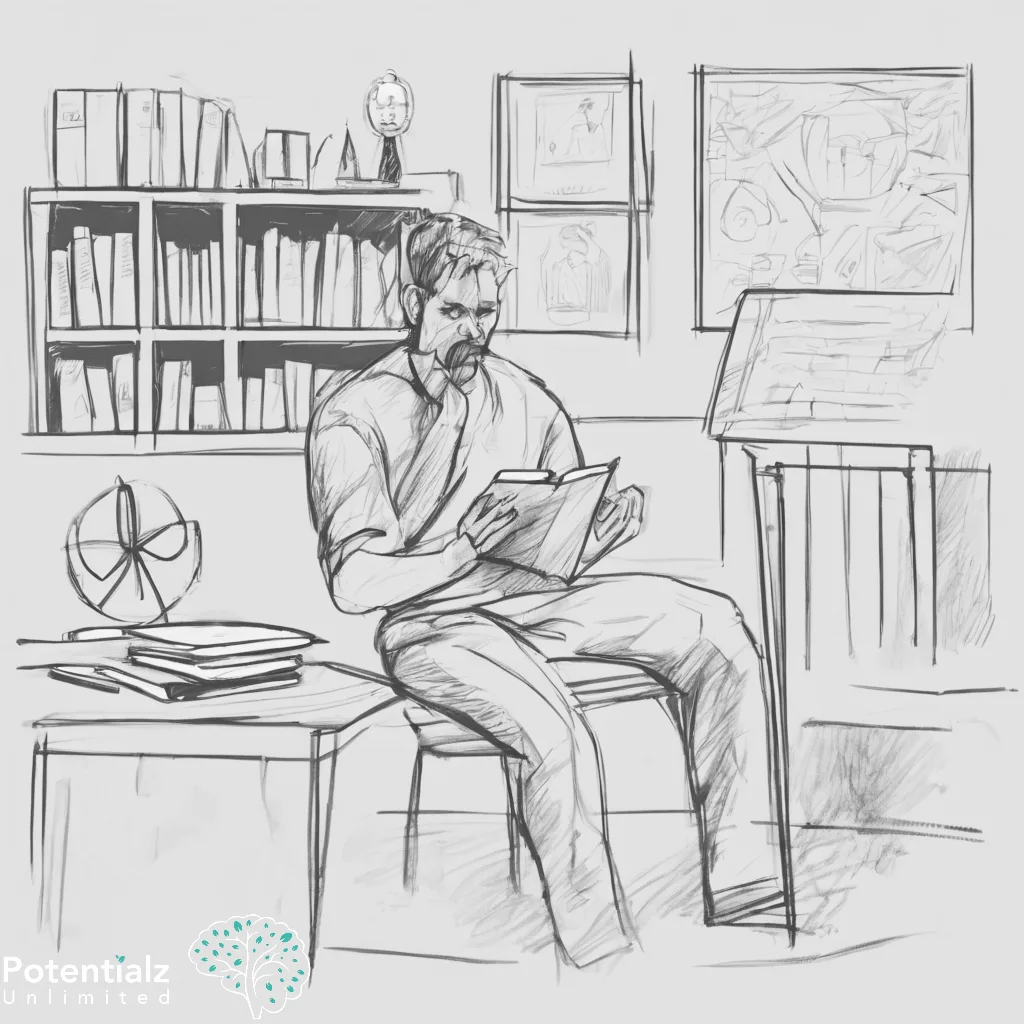
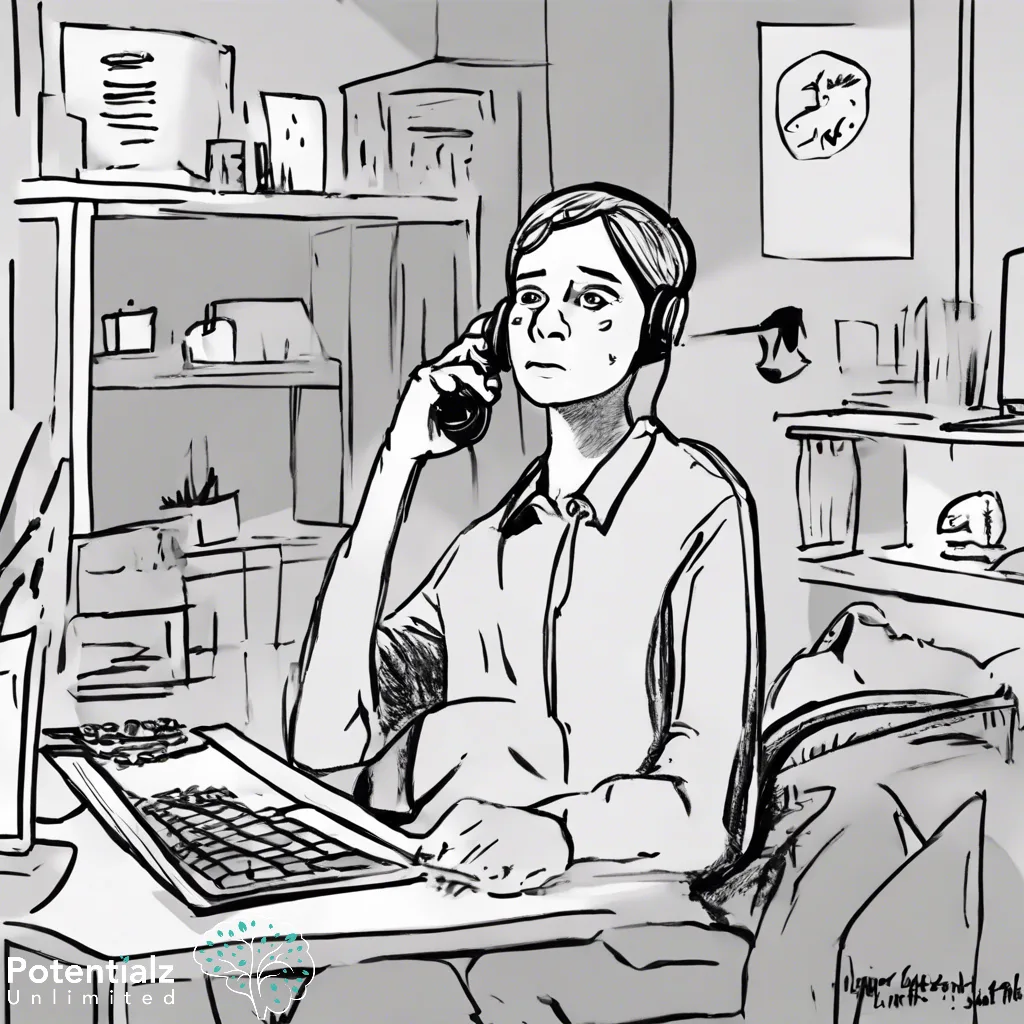
For nine years, Raj looked like a man with everything in order. He worked a steady job in the Hills District. He coached his son’s cricket team on Saturdays. At home, nobody guessed that most nights he sat alone with his phone, placing bets he could not afford.
It began with a small bet on the footy. Over time it grew. He borrowed money. He hid statements. He told himself, “I can stop whenever I want,” and he meant it every time. The day his partner found the truth, Raj felt shame first and relief second.
If any of this sounds familiar, you are not weak and you are not bad. This article, from our psychologists in Bella Vista, explains what gambling addiction really is, why it is so hard to stop, and what psychological treatment involves.
How Common Is Gambling Harm in Australia?
More people are affected than most of us would guess.
The Australian Gambling Research Centre estimates that about 1.8% of Australian adults experience problem gambling. A further 4-6% experience moderate gambling harm. That means money stress, strain in relationships and real distress, even if it does not yet meet the bar for a diagnosis (Australian Gambling Research Centre [AGRC], 2021). Most of these people are not asking for help.
The way people gamble has also changed. Betting apps are now on the phone in every pocket. A person can place a bet on the couch at 2am. There is no queue to wait in and no one to see. Sport and betting have become tightly linked in everyday life. For the wider pressures on young people growing up around this, see our post on teen mental health, anxiety and stress in Australia.
What Gambling Disorder Is
Gambling disorder is the name the DSM-5 gives to gambling that keeps happening and causes real distress or harm (American Psychiatric Association, 2013). The DSM-5 is the manual clinicians use to describe mental health conditions.
It helps to be clear about one thing. Gambling disorder is not a moral failing. It is not greed, and it is not a lack of discipline. It is a recognised health condition with causes in the brain, in thinking and in life circumstances.
Some of the common signs are:
- Preoccupation. Thoughts about gambling keep coming back, such as replaying past wins or planning the next chance.
- Needing more. The person needs bigger amounts of money to feel the same buzz.
- Loss of control. They try to cut back or stop again and again, without success.
- Chasing losses. They go back to win back what was lost.
- Hiding it. They lie about how much they gamble.
- Escape. They gamble to get away from problems or low moods.
- Real costs. Relationships, work or study suffer because of gambling.
- Relying on others. They need other people to cover money problems caused by gambling.
The DSM-5 places gambling disorder in the same group as substance use disorders. Research shows it shares some of the same reward pathways in the brain.
Why It Is So Hard to Stop
Many people ask the same question: “Why can’t I just stop?” The answer comes from a basic idea in psychology. It is called the variable ratio reinforcement schedule. That is a long name for a simple idea.
Think about a reward that comes every single time you do something. If the reward stops, you stop too, quite quickly. Now think about a reward that comes at random. Sometimes you get it. Mostly you don’t. You never know when the next one is coming. Behaviour learned this way is very slow to fade, because the next reward always feels close.
This is one of the best-established findings in psychology. B.F. Skinner described it and it has been seen in many species and many settings. Pokies are built around exactly this kind of unpredictable reward.
Then there is the “near miss”. Two matching symbols appear, and the third stops just out of reach. It feels like you almost won. But it is not a near win. It is a result that is designed to feel like one. Research on the illusion of control shows that near misses can keep people playing (Langer, 1975).
When people understand this, something often shifts. The self-blame softens. Not being able to stop was never a failure of character. It was a normal response to a very strong reward pattern. From that point of understanding, the practical work can begin.
What Gambling Does for a Person
Beyond the reward pattern, gambling usually does a job for the person. Until we know what that job is, we cannot build other ways to do it. In clinical experience, gambling often serves one or more of these purposes.
Escape from pain. Many people start gambling to get away from low mood, worry, grief or stress. Gambling asks for total attention. One client might say, “When I’m at the pokies, everything goes quiet.” That quiet is a real thing, and it is why the habit holds on.
Thrill. Some people feel flat in daily life. Gambling gives a fast jolt of excitement. For someone who is low in mood, that contrast can be very strong.
The illusion of control. This is the belief that skill, lucky rituals or special systems can change a result that is really down to chance. Humans are wired to look for patterns. Sometimes chance seems to confirm our theory. A loss then turns into a clue: “I nearly had it. I just need to try again.”
Chasing losses. The thought “I can’t leave now, I’m down” turns a bad session into a mission. It is the thinking that moves a smaller problem toward a much bigger one.
Belonging. For people who feel lonely, the venue can offer company. Staff know their name. There is shared drama. This side of gambling is often missed.
Gambling and Other Mental Health Conditions
Gambling disorder rarely stands alone. A Cochrane review of psychological therapies reported these figures (Cowlishaw et al., 2012):
- Approximately 60% of people with gambling disorder have a lifetime diagnosis of depression.
- Anxiety disorders are present in 40-50% of those with gambling disorder.
- Alcohol use disorder co-occurs in approximately 20-30% of presentations.
- PTSD (post-traumatic stress disorder) and trauma histories are significantly overrepresented in people with gambling disorder.
Often there is a hurt underneath, such as depression, worry or trauma. Gambling has been the way to cope with it. Then gambling makes that hurt worse. Shame and money stress deepen low mood. Secrecy feeds worry.
This is why gambling and mental health are best looked at together. Where worry or trauma sits beneath the gambling, that condition deserves care in its own right. See our pages on anxiety psychology support in Bella Vista, PTSD psychology support and depression psychology support.
Why It Stays Hidden
Gambling disorder can go unnoticed for a very long time. Some people manage a serious problem in secret for years before anyone knows. Several things drive this.
Shame. Gambling carries a moral label in public thinking. Many people believe the person should just stop. That shame is one of the biggest barriers to asking for help. It is often the first thing we address.
Slow change. There is rarely a clear line between fun and a problem. The change is gradual, so it can be explained away at each step.
Money juggling. Many people become skilled at moving money around to keep the problem out of sight, until it can no longer be hidden.
Culture. In some communities, card games at festivals or betting at gatherings are a normal part of life. When the activity is normal, the line between social play and a problem can be hard to see.
Cultural Context in the Hills District
Many families in the Hills District come from Indian, South Asian, East Asian and other backgrounds. In many of these communities, games such as mahjong, teen patti and festival card games are part of social life. They carry a different meaning from lonely, secret gambling on a machine or an app. The question is whether the gambling stays inside social occasions, or has become secret, driven and costly.
Asking for help can also be harder for some people because of:
- Language. Not knowing which services exist, or not feeling able to use them in English.
- Family honour. Where reputation matters deeply, exposing a gambling problem can feel very risky.
- Keeping it in the family. Going outside the family for help can feel like a betrayal.
This is why sessions in Hindi, Marathi and Punjabi matter. Talking about shame is easier in the language you grew up with.
CBT for Gambling Disorder
Cognitive behavioural therapy (CBT) is the main psychological approach that has been studied for gambling disorder (Cowlishaw et al., 2012). It works on two levels. The first is thinking, which means the beliefs that keep gambling going. The second is behaviour, which means triggers, habits and ways of coping. For a plain-language overview, see our guide to how CBT works and our CBT psychology support in Bella Vista.
Mapping Triggers and High-Risk Times
The first step is to map what comes before and during gambling. This covers situations, feelings, thoughts and actions. Triggers are different for everyone. For one person it is boredom on a Sunday afternoon. For another it is money stress and the thought “I could win my way out of this.”
Once the triggers are clear, the psychologist and client plan together. Which situations need a different response? What else could the person do in that moment?
Looking at Unhelpful Thinking
Some common patterns of thinking keep gambling going:
- Gambler’s fallacy. Believing past random results change what comes next. (“I’ve lost five times, so I’m due a win.”)
- Illusion of control. Believing skill, systems or rituals can change a chance result.
- Selective memory. Remembering wins clearly and losses vaguely.
- Chasing losses. “I need to win back what I lost.”
- Lucky thinking. Lucky times, lucky seats, lucky routines.
A psychologist does not attack these beliefs. Instead, the two of you look at the evidence together. What has actually happened over the past year? What has the total cost been?
Planning for Relapse
Relapse planning works the same way as it does in substance use care. The client and psychologist name the high-risk situations. They write a plan for each one. They also learn to tell the difference between a lapse, which is a single episode, and a full return to old patterns. A lapse is useful information to learn from. It is not proof of failure.
ACT: Sitting With Urges, Acting on Values
Acceptance and commitment therapy (ACT) adds two things. You can read more in our overview of acceptance and commitment therapy.
The first is urge tolerance. This means feeling the pull to gamble without acting on it. ACT teaches people to watch an urge with curiosity instead of treating it as an emergency. “I notice I’m having an urge to gamble. I can feel it. I don’t have to act on it.” This is a different relationship to cravings than fighting them or giving in.
The second is values. ACT helps a person name what matters most to them, such as being trusted by family or living honestly. Change is then built on those values and not on fear alone.
Money Help Alongside Therapy
Gambling almost always brings money problems, and therapy cannot fix those on its own. Our psychologists work with financial counsellors through referral networks and community services. Financial counselling can involve:
- Getting a clear picture of the current money situation.
- Dealing with debt and speaking to creditors.
- Setting up ways to limit access to money for gambling, such as asking a trusted person to help manage finances for a time.
Peer Support
Gamblers Anonymous (GA) is a peer support group based on the 12-step model. Some people find it valuable as an extra support alongside therapy. Meeting others who understand the particular shame of gambling can give something that individual sessions cannot. GA is not a replacement for professional psychological care.
What the Work Involves
Gambling recovery is usually a process and not one big decision. Lapses can happen, and each one is information to work with. The aim is not perfection in the first session. The work is about understanding triggers, building other ways to cope, and organising life around what matters.
For most people, there is more than one thing going on. When low mood, worry or trauma sits underneath, that is part of the work too. Without other ways to cope, the escape that gambling provided has nothing to replace it.
Gambling Support in Bella Vista and the Hills District
Potentialz Unlimited is based in Bella Vista, NSW, and supports people across the Hills District. Our registered psychologists use CBT, ACT and mindfulness. Mindfulness here means building the skill to notice urges and hard feelings without acting on them. Where gambling sits alongside low mood, worry or trauma, the work looks at both together.
Appointments are available through:
- Medicare Mental Health Care Plan. A GP referral is needed.
- Employee Assistance Program (EAP). For people whose employer offers this benefit.
- Private. Self-funded appointments.
Sessions are offered in English, Hindi, Marathi and Punjabi, with telehealth available. You can contact the clinic or book directly at live.potentialz.com.au.
Getting Support
It may be time to reach out if:
- You are thinking about gambling much of the time.
- You have tried to cut back and could not.
- You are hiding how much you gamble, or how much money has gone.
- Gambling is affecting your sleep, mood, work or relationships.
A good first step is a visit to your GP. If you want to talk to someone about gambling right now, Gambling Help Online is free and available 24/7 on 1800 858 858. If your distress ever brings thoughts of not wanting to be here, call Lifeline on 13 11 14, or 000 in an emergency.
References
American Psychiatric Association. (2013). Diagnostic and statistical manual of mental disorders (5th ed.). American Psychiatric Publishing. https://doi.org/10.1176/appi.books.9780890425596
Australian Gambling Research Centre. (2021). Problem gambling in Australia: A summary of recent research. Australian Institute of Family Studies. https://aifs.gov.au/agrc
Cowlishaw, S., Merkouris, S., Dowling, N., Anderson, C., Jackson, A., & Thomas, S. (2012). Psychological therapies for pathological and problem gambling. Cochrane Database of Systematic Reviews, (11), CD008937. https://doi.org/10.1002/14651858.CD008937.pub2
Langer, E. J. (1975). The illusion of control. Journal of Personality and Social Psychology, 32(2), 311–328. https://doi.org/10.1037/0022-3514.32.2.311
Disclaimer
The information in this post is for general educational purposes only and does not constitute clinical advice or diagnosis. Please consult a qualified health professional for assessment and treatment tailored to your circumstances.
Crisis and Support Resources
If you or someone you know needs support:
- Lifeline: 13 11 14 (24/7 crisis support)
- Beyond Blue: 1300 22 4636 (mental health support)
- Kids Helpline: 1800 55 1800
- Gambling Help Online: 1800 858 858 (24/7 free gambling support counselling)
- Gamblers Anonymous: 1800 2 GAMBLE (1800 242 625)
- Financial Counselling Australia: 1800 007 007
- Emergency: 000
Knowledge Check Quiz
Test what you have just read. Choose your answer for each question, then submit to reveal the answers and your score.
Need Professional Support?
If you're experiencing mental health concerns, our team is here to help.